When Love Becomes a Cosmic Force: The Ultimate Enemies-to-Lovers Arc in The Convergence: Broken Magic
- Richard French
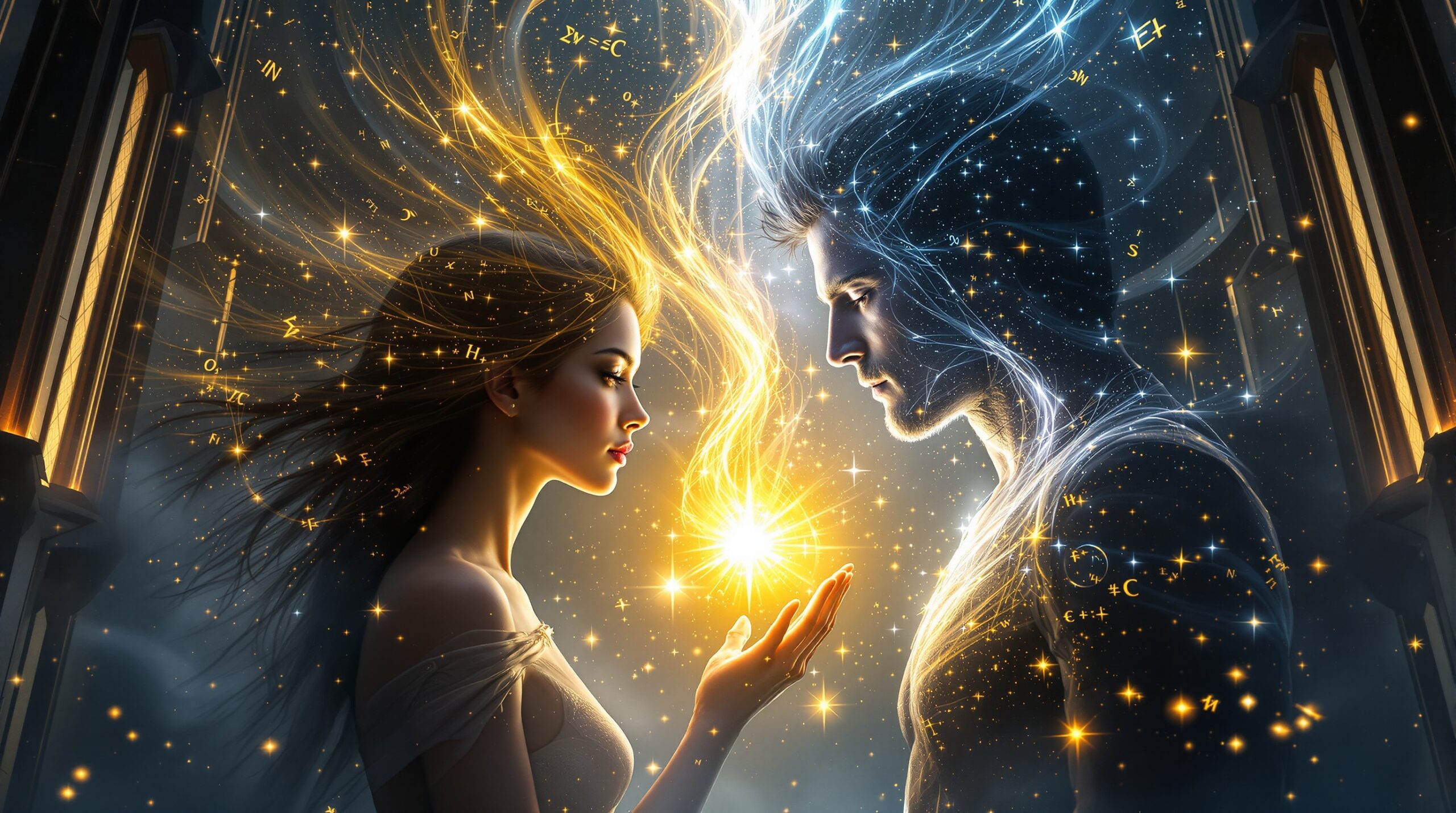
According to recent BookTok data, the #enemiestolovers hashtag has generated an astounding 11.4 billion views on TikTok, making it the most dominant romance trope driving a market that reached $610 million in romantasy sales alone. The enemies-to-lovers trope continues its reign as the undisputed champion of romance, but what happens when the stakes transcend personal relationships and become cosmic in scope? In The Convergence: Broken Magic, Richard French transforms the beloved enemies to lovers books formula into something unprecedented—a love story where the fate of reality itself hangs in the balance.
Key Takeaways
- Enemies to lovers books reach their ultimate expression when personal conflict becomes the key to cosmic healing
- Academy rivals Samantha Reed and Connor Blake evolve from Federation enforcer versus rebel leader to unified cosmic healers
- Forbidden magic serves as both the source of their opposition and the foundation for a love that transcends institutional control
- Healing power manifests when two artificially separated forces choose willing unity over enforced division
- Cosmic love emerges as the only force capable of repairing wounds carved into existence itself
Why Enemies to Lovers Books Continue to Dominate Romance in 2025
The enemies-to-lovers phenomenon shows no signs of slowing down. Romance trends analysis reveals that contemporary romance peaked at 86 search interest points during February 2025’s Valentine’s Day season, while romantic fantasy surged to 73 in March 2025. The sustained popularity stems from the trope’s ability to deliver equal power dynamics—rivals are equals, not victims and saviors.
Recent BookTok analysis confirms that enemies-to-lovers continues thriving because readers crave the emotional satisfaction of watching hatred transform into love through character growth rather than immediate attraction. The #enemiestoloversbooks hashtag alone has accumulated over 382 million views, demonstrating the appetite for stories where conflict creates chemistry.
The psychological appeal runs deeper than surface tension. Enemies-to-lovers relationships require both characters to confront their assumptions, overcome institutional barriers, and choose vulnerability over safety. This mirrors real-world relationship challenges while providing the fantasy fulfillment of love conquering genuine obstacles.
From Academy Rivals to Cosmic Soulmates: Samantha and Connor’s Arc
The Convergence: Broken Magic elevates the enemies-to-lovers framework by grounding cosmic stakes in deeply personal conflict. Samantha Reed and Connor Blake begin as textbook rivals—Federation enforcer versus rebel leader, order versus chaos, institutional loyalty versus revolutionary freedom. Their initial antagonism feels authentic because both characters hold legitimate positions within their respective worldviews.
Their shared Academy history adds layers that distinguish this from simple professional opposition. Both characters once pursued unified magic theory as students, until institutional forces deliberately separated them and suppressed their research. This backstory reveals that their enmity stems from external manipulation rather than inherent incompatibility, creating space for the romance to develop organically.
The transformation from hunters to healers occurs gradually through crisis and collaboration. Samantha’s pursuit of Connor across crystalline Academy halls represents duty conflicting with growing doubt about Federation doctrine. Each confrontation reveals new evidence that their supposed opposition masks natural harmony—their magic flows together rather than clashing, their strategic thinking complements rather than contradicts.
French builds romantic tension through professional competence rather than manufactured misunderstandings. Both characters respect each other’s skills while opposing their methods, creating the foundation for attraction based on admiration rather than dominance.
When Enemies to Lovers Books Transcend Genre Boundaries
The Convergence demonstrates how enemies-to-lovers can evolve beyond contemporary romance into speculative fiction without losing emotional authenticity. Analysis of 2025 romantasy trends shows readers increasingly seek stories where personal relationships carry universal significance.
Traditional enemies-to-lovers stories focus on individual transformation—two people learning to love despite differences. The Convergence expands this scope by making their personal unity the literal key to cosmic healing. Samantha and Connor’s relationship becomes both intimate romance and metaphysical necessity, where their love serves as the template for reality’s restoration.
This approach avoids the trap of inflated stakes without emotional grounding. The cosmic elements grow naturally from the characters’ magical abilities and institutional conflict. Their unified magic represents the natural state that Federation control artificially suppressed, making their personal reconciliation inseparable from universal healing.
The science fantasy setting allows French to explore themes of forced separation versus chosen unity that resonate beyond romantic relationships. Political systems, educational institutions, and social structures all reflect the artificial divisions that the characters must overcome through willing cooperation.
The Williams Legacy: Generational Conflict Driving Love
Marcus Williams represents the institutional fear that creates enemies from natural allies. His family’s multi-generational campaign to suppress unified magic stems from trauma rather than malice—the Rosewood Incident taught him that uncontrolled power destroys everything. His attempts to prevent unity through separation create the very conflicts that endanger everyone.
The Williams bloodline’s influence across Federation policy demonstrates how individual trauma can become institutional doctrine. Marcus’s fear of losing control transforms into systems designed to prevent the natural magical unity that Samantha and Connor represent. Their love threatens not just his personal authority but the entire framework he built to prevent another Rosewood.
This generational conflict adds historical weight to the romance. Samantha and Connor must overcome not just their immediate circumstances but decades of systemic programming designed to keep them apart. Their relationship becomes an act of rebellion against inherited trauma and imposed limitations.
The family legacy theme resonates with contemporary readers navigating relationships across political, cultural, or religious divides. Like many real couples, Samantha and Connor must choose each other despite institutional pressure and family expectations that frame their love as dangerous or impossible.
The Ultimate Expression of Healing Love Power
The Convergence’s most innovative element lies in portraying love as a cosmic healing force rather than a destructive passion. Current romantasy market analysis shows readers gravitating toward stories where relationships restore rather than destabilize reality.
Samantha and Connor’s unified magic demonstrates love’s constructive potential. Their natural harmony stabilizes space-time, heals temporal fractures, and guides the Convergence toward restoration rather than destruction. This contrasts sharply with Marcus Williams’ artificial unification attempts, which scar reality through forced control rather than willing cooperation.
The healing power emerges from their willingness to sacrifice individual survival for collective salvation. Their final choice to merge completely with the Convergence reverses the original Sundering by offering themselves freely rather than hoarding power defensively. This willing sacrifice becomes the template for natural unity throughout the galaxy.
French avoids the common pitfall of making love solve everything through magic alone. Samantha and Connor’s relationship works because both characters remain competent individuals who choose cooperation. Their unity enhances rather than replaces their individual strengths, creating sustainable partnership rather than codependent merger.
What Makes This Different from Other Cosmic Love Stories
Most cosmic romance stories treat universe-spanning stakes as background decoration for personal drama. The Convergence integrates cosmic and personal elements so thoroughly that neither can exist without the other. Samantha and Connor’s relationship development directly parallels reality’s healing, making their romance essential rather than ornamental.
The grounded character development preceding universe-scale revelations prevents emotional inflation. Readers invest in Samantha and Connor as individuals before discovering their cosmic significance, ensuring that universe-saving moments feel earned rather than arbitrary.
The emphasis on healing rather than conquest distinguishes this from power fantasy romance. Samantha and Connor don’t gain strength to dominate enemies—they sacrifice power to restore balance. Their love becomes transformative through vulnerability rather than invincibility.
The sustainable unity model offers hope for readers navigating real-world conflicts. Rather than requiring one partner to abandon their identity, Samantha and Connor find strength through complementary differences. Their Academy backgrounds, professional skills, and magical abilities enhance each other without erasing individual contributions.
Book Promo
The Convergence: Broken Magic transforms the beloved enemies-to-lovers trope into an epic tale of cosmic healing, where love becomes the force that repairs reality itself. When Federation enforcer Samantha Reed pursues rebel leader Connor Blake, their conflict reveals a deeper truth—their unity represents the natural state that institutional fear has artificially suppressed. As the Convergence approaches and reality fractures, only their willing sacrifice can heal wounds carved into existence itself.
Experience love as a cosmic force in this unforgettable enemies-to-lovers fantasy where personal relationships determine universal fate. Get your copy today. Available on RichardFrench.Net and Amazon or wherever books are sold.
Frequently Asked Questions
What makes The Convergence different from other enemies to lovers books?
The Convergence elevates enemies-to-lovers beyond personal conflict by making the romantic relationship essential to cosmic healing. While traditional enemies-to-lovers stories focus on individual transformation, this novel demonstrates how two people choosing love over fear can literally repair reality itself. The stakes feel authentic because the cosmic elements grow naturally from the characters’ magical abilities and institutional backgrounds.
How does cosmic love differ from typical fantasy romance?
Cosmic love in The Convergence functions as a healing force rather than a destructive passion. Unlike romance stories where intense emotion threatens stability, Samantha and Connor’s love creates stability by restoring natural unity that artificial systems suppressed. Their relationship demonstrates how willing cooperation repairs damage caused by forced control, offering a constructive model for both personal relationships and social change.
Is The Convergence suitable for readers new to enemies to lovers books?
The Convergence works well for both newcomers and veterans of the enemies-to-lovers trope. French provides clear character motivations and institutional backgrounds that make the conflict understandable without prior genre knowledge. The gradual relationship development and cosmic elements unfold at a pace that allows readers to invest in the characters before encountering universe-scale stakes.
What other enemies to lovers fantasy books would readers enjoy?
Readers who appreciate The Convergence’s blend of institutional conflict and magical romance might enjoy Rebecca Yarros’ Fourth Wing, Sarah J. Maas’ A Court of Thorns and Roses series, or Holly Black’s The Cruel Prince trilogy. These stories share the theme of rivals discovering their opposition masks deeper connection, though none quite match The Convergence’s integration of personal and cosmic healing.